The First 90 Days With Your Working Line German Shepherd Puppy
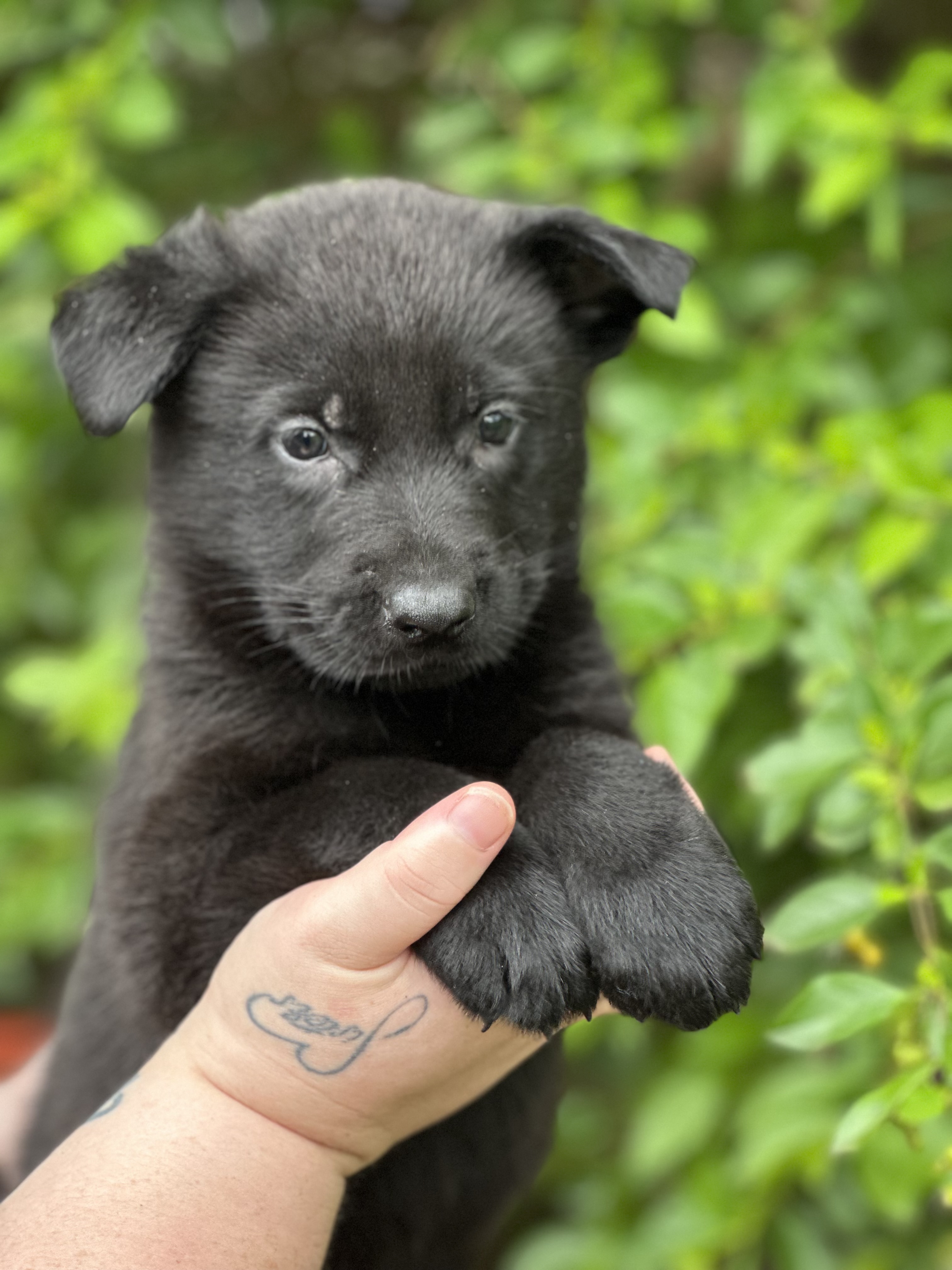
Bringing home a working line German Shepherd puppy is exciting — but it is also the most critical developmental period of your dog’s life.
The first 90 days will shape:
• Confidence
• Nerve strength
• Drive development
• Environmental stability
• Your long-term relationship
At VomSirius Working Dogs in Queensland, our German Shepherd puppies leave us with strong early foundations. What happens next matters just as much.
⸻
Understanding the Working Line Difference
Not all German Shepherd puppies are the same.
Working line German Shepherd puppies are typically:
• Higher drive
• More environmentally aware
• Faster learners
• More intense in play
• More persistent problem solvers
This is not “naughtiness.”
It is potential.
Your role in the first 90 days is not to suppress drive — but to channel it correctly.
⸻
Weeks 8–12 – Foundation & Structure
This is the most sensitive developmental window.
Focus On Routine
Working puppies thrive on predictability.
• Consistent feeding times
• Structured crate time
• Planned play sessions
• Scheduled rest
Overtired puppies become overstimulated puppies.
⸻
Engagement Before Obedience
Before formal obedience, build:
• Eye contact
• Toy drive
• Food motivation
• Clear communication
• Calm focus
Relationship comes first. Obedience follows engagement.
⸻
Exercise – More Is Not Always Better
Over-exercising young German Shepherd puppies can damage developing joints.
Avoid:
• Long forced walks
• Repetitive ball throwing
• High-impact jumping
• Excess stair repetition
Instead prioritise:
• Short structured training sessions
• Controlled play
• Mental stimulation
• Free movement on safe surfaces
Mental engagement will tire a working line German Shepherd puppy more effectively than physical exhaustion.
⸻
Using Daily Food for Training (6–12 Months)
For the first 6–12 months — if your schedule allows — most or even all of your puppy’s daily food can be delivered during structured training and socialisation sessions.
Rather than placing food in a bowl, use meals to build:
• Engagement
• Recall
• Eye contact
• Positioning
• Impulse control
• Neutral public behaviour
This teaches the puppy that:
• Focus earns reward
• Calm behaviour is reinforced
• The handler controls valuable resources
• Work brings clarity and success
Building Clear Communication
Using daily food during training allows precise timing and clear markers.
The puppy quickly learns:
• Exactly which behaviour earned the reward
• How to repeat it
• That engagement is consistently valuable
Clarity builds stability.
⸻
Preventing Fussy Eating
Hand-feeding through structured training often prevents selective or fussy eating.
When food is earned:
• Meals gain value
• Food drive improves
• Distraction-related refusal decreases
This is especially helpful in high-drive German Shepherd puppies who may otherwise skip meals.
⸻
How To Implement Safely
• Measure the full daily ration in the morning
• Use small portions throughout the day
• Keep sessions short
• Adjust intake for activity level
• Ensure proper nutrition
Even replacing one meal per day with structured engagement makes a noticeable difference.
⸻
Common Feeding Mistakes With German Shepherd Puppies
Feeding mistakes during the first year can impact growth and behaviour.
Free Feeding
Leaving food down all day reduces food value and weakens engagement.
Structured feeding builds motivation.
⸻
Overfeeding During Growth
Rapid growth increases stress on developing joints.
German Shepherd puppies should grow lean and steady — not heavy and fast.
⸻
Too Many Random Treats
Unstructured treats reduce food drive and create inconsistency.
Food should support training — not compete with it.
⸻
Switching Diets Frequently
Frequent changes can cause digestive upset and inconsistent growth.
Stability in diet supports stability in development.
⸻
Socialisation – Calm, Neutral, Focused
Socialisation does not mean greeting everyone.
For working line German Shepherd puppies, calm neutrality and focus on the handler are more important than social excitement.
At VomSirius, we aim for dogs who can:
• Remain calm in busy environments
• Ignore distractions when asked
• Focus confidently on their handler
• Observe without reacting
Excitement is not the goal. Stability is.
⸻
Socialisation Checklist
Expose your puppy calmly and thoughtfully to:
✔ Different ages of people (without forced greetings)
✔ Different surfaces (grass, gravel, concrete, timber, rubber, tiles)
✔ Car travel
✔ Vet-style handling
✔ Mild environmental noise
✔ Other animals at a controlled distance
✔ Public settings where focus remains on you
✔ Small amounts of stairs — solid-backed and open/see-through
✔ Light-to-dark transitions
✔ Echo environments (public toilets are excellent for this)
✔ Walkers, wheelchairs, crutches
✔ Shopping trolleys, prams and push carts
✔ Bicycles and scooters
⸻
A Note on Stairs
Introduce stairs gradually:
• Start with a few steps
• Allow natural pace
• Avoid rushing
• Reward calm footing
Stair exposure builds body awareness and coordination.
However, avoid repetitive stair sessions or long flights during growth.
Confidence — not conditioning — is the goal.
⸻
Movement & Prey Drive Management
Fast-moving objects like bikes and scooters may trigger prey drive.
Early calm exposure teaches:
• Movement does not equal chase
• Focus stays on the handler
• Neutrality is rewarded
⸻
Frequently Asked Questions – Working Line German Shepherd Puppies QLD
Are working line German Shepherd puppies harder to raise?
They require more structure and engagement, but when raised correctly, they become exceptionally stable and trainable adults.
⸻
How much exercise does a German Shepherd puppy need?
Short structured sessions and mental stimulation are more beneficial than long forced walks during the first year.
⸻
When do German Shepherd puppies calm down?
Working line German Shepherds mature gradually, often reaching full mental maturity between 2–3 years.
⸻
What is the difference between working line and show line German Shepherds?
Working lines are bred for drive, nerve strength and performance. Show lines are bred primarily for conformation.
⸻
Can working line German Shepherd puppies be family dogs?
Yes — with structure, leadership and consistent training, they are deeply loyal family companions.
⸻
Should I take my puppy to dog parks?
Uncontrolled dog parks are generally not recommended. Calm, neutral exposure is more beneficial.
⸻
Is hand-feeding recommended?
Yes. Structured feeding builds engagement and prevents fussy eating during the first year.
⸻
Why choose VomSirius Working Dogs in QLD?
VomSirius German Shepherd puppies are purpose-bred in Queensland for:
• Balanced temperaments
• Strong nerves
• Sound structure
• Working ability
• Lifetime breeder support
We remain committed to every puppy we produce